Local government planning often involves much more than roads, buildings, and public services. Environmental conditions can directly affect how communities grow, how public spaces are maintained, and how residents experience everyday life. Factors such as rainfall, humidity, flooding, vegetation, waste management, and seasonal temperature changes can influence the condition of neighborhoods and public facilities. When local governments understand these environmental patterns, they can make better decisions about drainage systems, landscaping, sanitation schedules, and infrastructure maintenance. Careful planning can help prevent small environmental concerns from developing into larger issues that may affect public health, property conditions, or community comfort.
Managing Pest Risks in Public Spaces
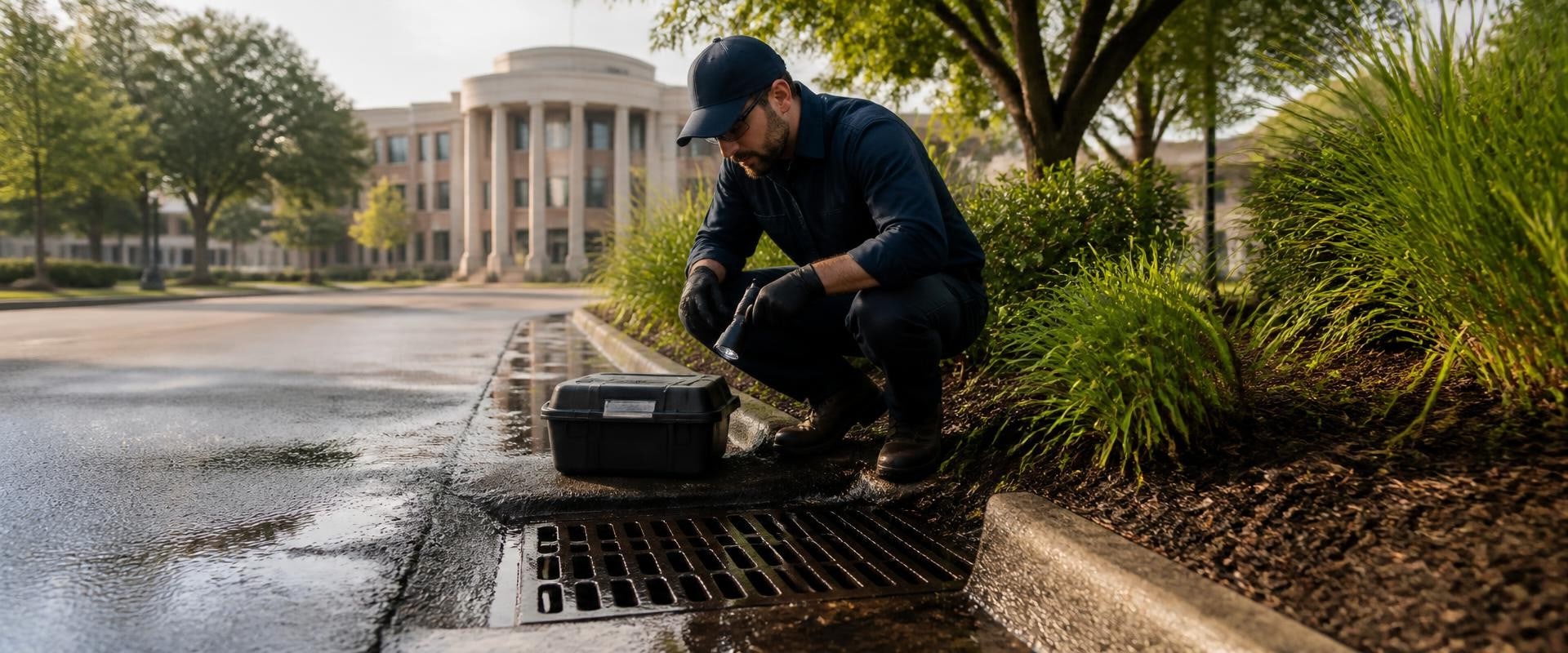
Pest activity can be closely connected to environmental conditions, especially in areas with warm weather, standing water, unmanaged vegetation, or accumulated waste. Public parks, government buildings, drainage areas, playgrounds, and waste collection sites can all become attractive to insects or rodents if they are not regularly maintained. Local authorities may need to consider pest prevention when developing cleaning schedules, managing landscaping, or planning improvements to public facilities. Professional providers such as Mr. Pest Control may also be consulted when communities need additional support identifying pest-prone areas or addressing recurring infestations in shared spaces.
Supporting Public Health and Community Comfort
Environmental planning and pest management can also contribute to public health goals. Mosquitoes, rodents, flies, and other pests may become more common when sanitation or drainage problems are present. Reducing standing water, maintaining storm drains, managing waste properly, and keeping vegetation under control can help limit conditions that support pest populations. These measures can also make public areas more comfortable for residents. Families are more likely to use parks, walking paths, community centers, and recreational spaces when those areas feel clean and well maintained. Preventive planning can therefore support both health and overall quality of life.
Protecting Public Infrastructure
Pests can sometimes damage infrastructure or create additional maintenance concerns. Rodents may chew electrical wiring, while termites and other wood-damaging insects can affect wooden structures, benches, storage areas, or older public buildings. Insects may also become established in drainage systems, utility areas, or poorly maintained facilities. By including regular inspections and pest prevention within maintenance programs, local governments can identify potential problems earlier. Early intervention may reduce repair costs and help extend the usable life of public property. Environmental monitoring can also reveal where moisture, vegetation, or structural weaknesses are contributing to recurring pest activity.
Planning for Seasonal and Long-Term Changes
Local environmental conditions can change throughout the year, which means planning should account for seasonal patterns. Heavy rainfall may increase mosquito activity, while hotter months can encourage insects to seek shelter indoors. Storms and flooding may also displace rodents or create new breeding areas. Local governments can prepare by adjusting maintenance schedules, increasing inspections during high-risk periods, and educating residents about simple prevention measures. Long-term changes in development, population, drainage, and climate may also influence future pest concerns.
Creating More Resilient Communities
Effective local government planning depends on recognizing how environmental conditions, public maintenance, and pest prevention are connected. By addressing these factors together, communities can reduce avoidable problems and create cleaner, safer, and more comfortable public spaces. Regular monitoring, responsible waste management, proper drainage, well-maintained infrastructure, and targeted pest control can all play a role. When local governments take a proactive approach, they are better positioned to protect public resources, respond to changing conditions, and support healthier, more resilient communities over time.